David's Cranberry Anzac Cookies
Patricia @ ButterYum

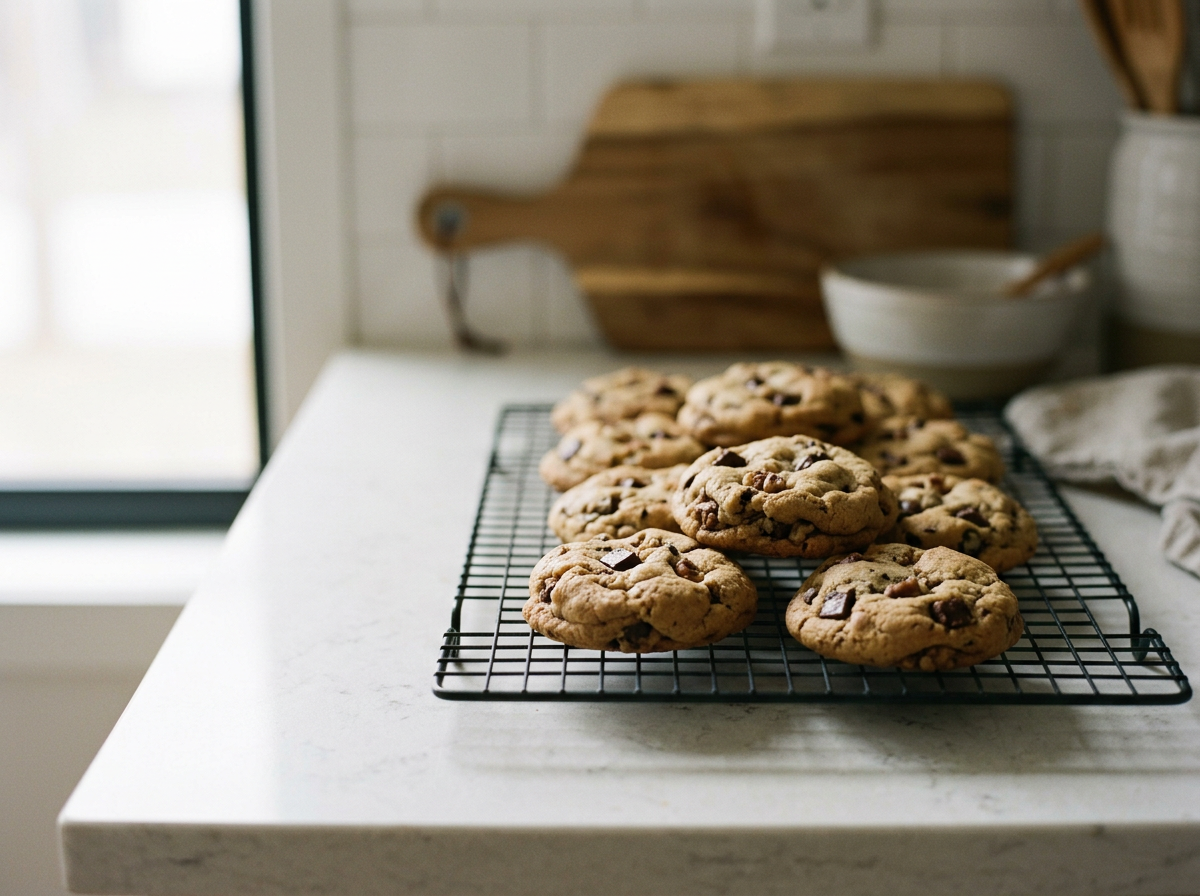
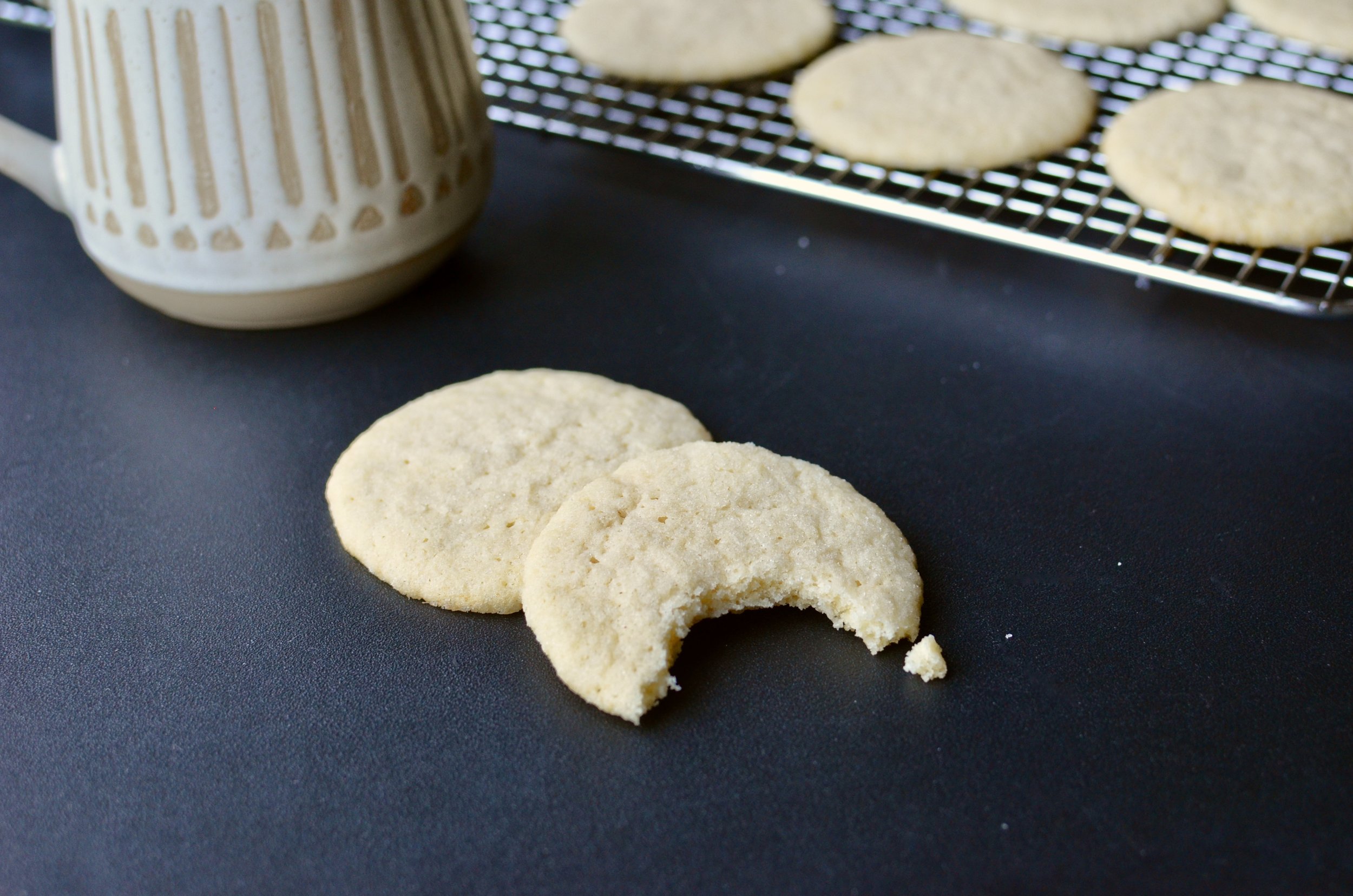
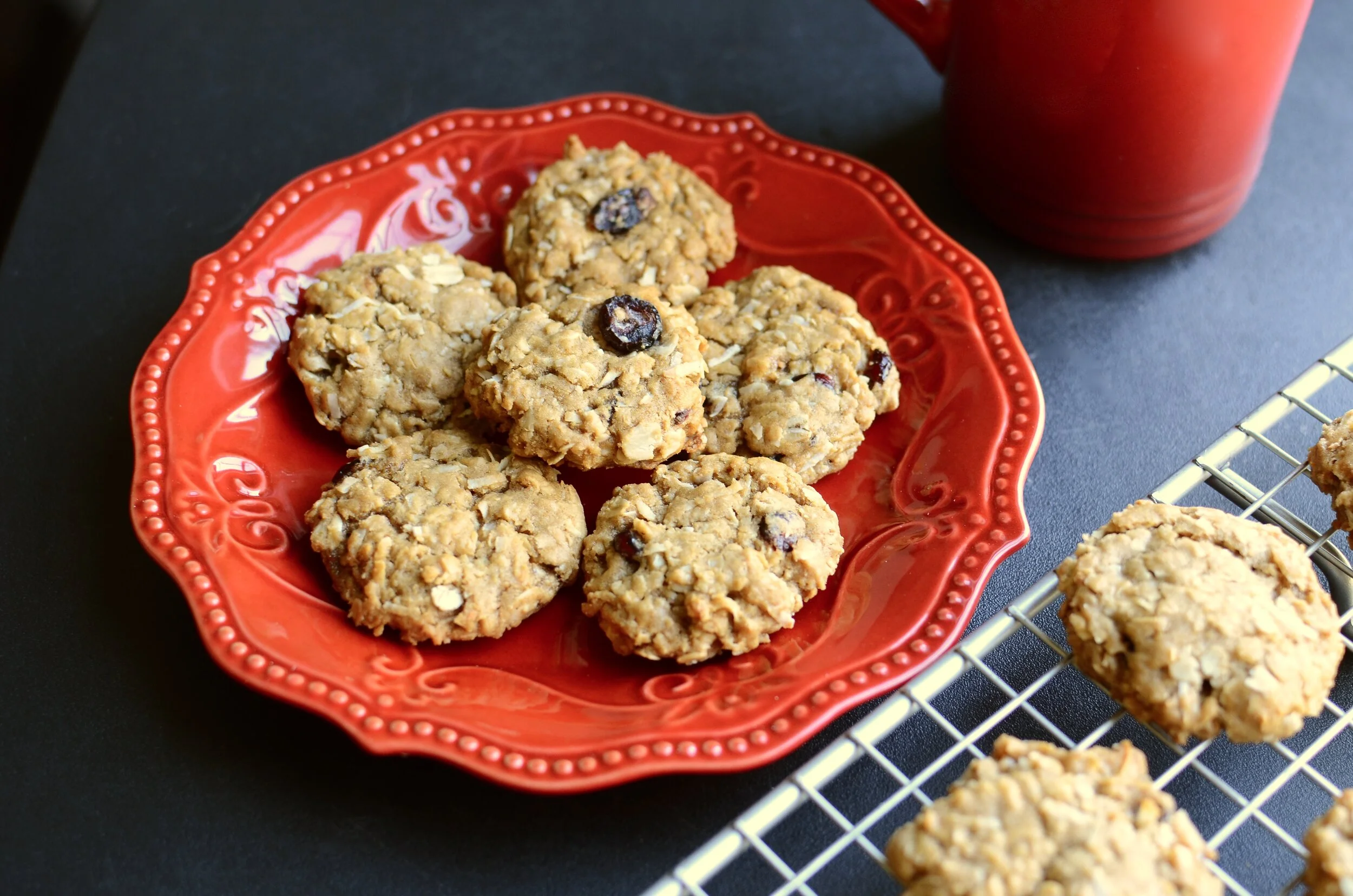
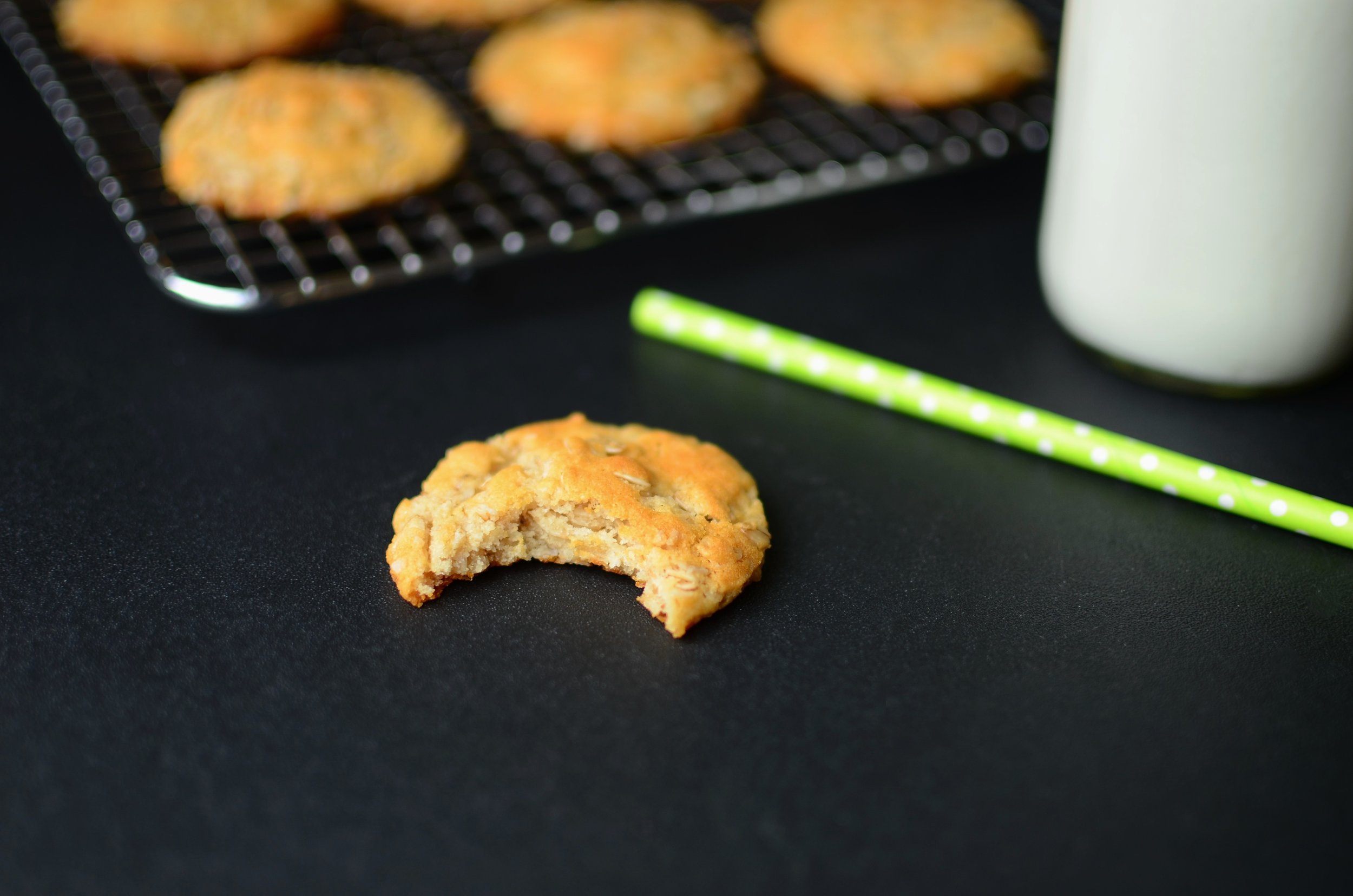
I have long been a fan of David Lebovitz, famed pastry chef, best-selling author, and award-winning food blogger. These “Cranzac” cookies are his variation of Australia’s famous Anzac biscuits. The cookies (or biscuits as they’re traditionally called) are crunchy around the edges, chewy in the middle, and chock full of wonderful texture. They also contain one of my favorite baking ingredients - Lyle’s Golden Syrup. If you love golden syrup, but you’re not a fan of coconut, you might be interested in trying my Chewy Golden Syrup Cookies. Honestly though, my son-in-law isn’t a fan of coconut, but he gave these cookie two thumbs up!

This recipe comes together pretty fast by hand, but you can use a stand mixer as well.

To get 36 perfect cookies from this recipe, use level #50 scoop (my favorite size scoop for cookies).

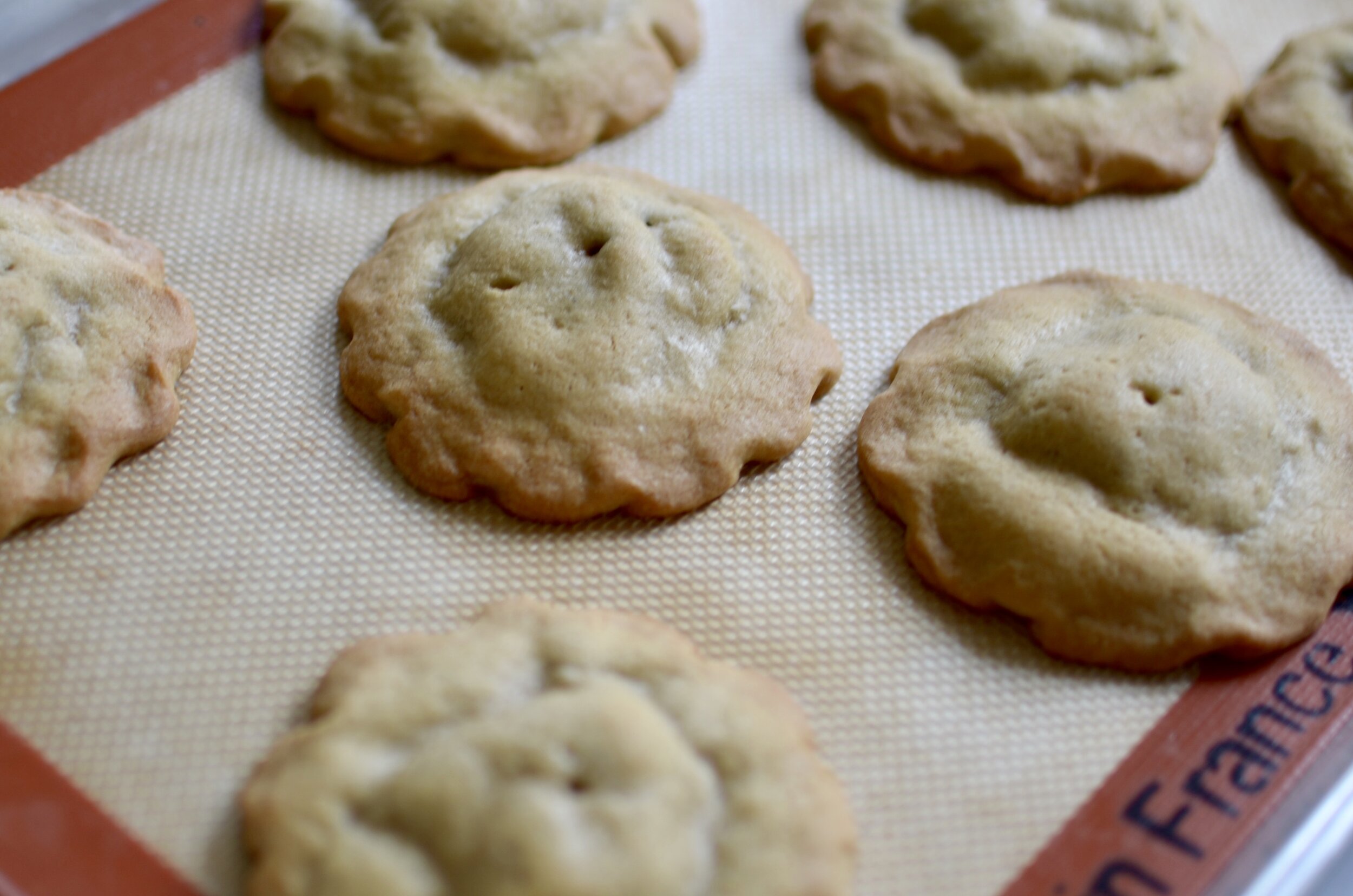
Flatten the mounds of cookie dough a bit with your finger tips. Bake for 10-12 minutes.

Cool completely before storing in an airtight container (they freeze beautifully).


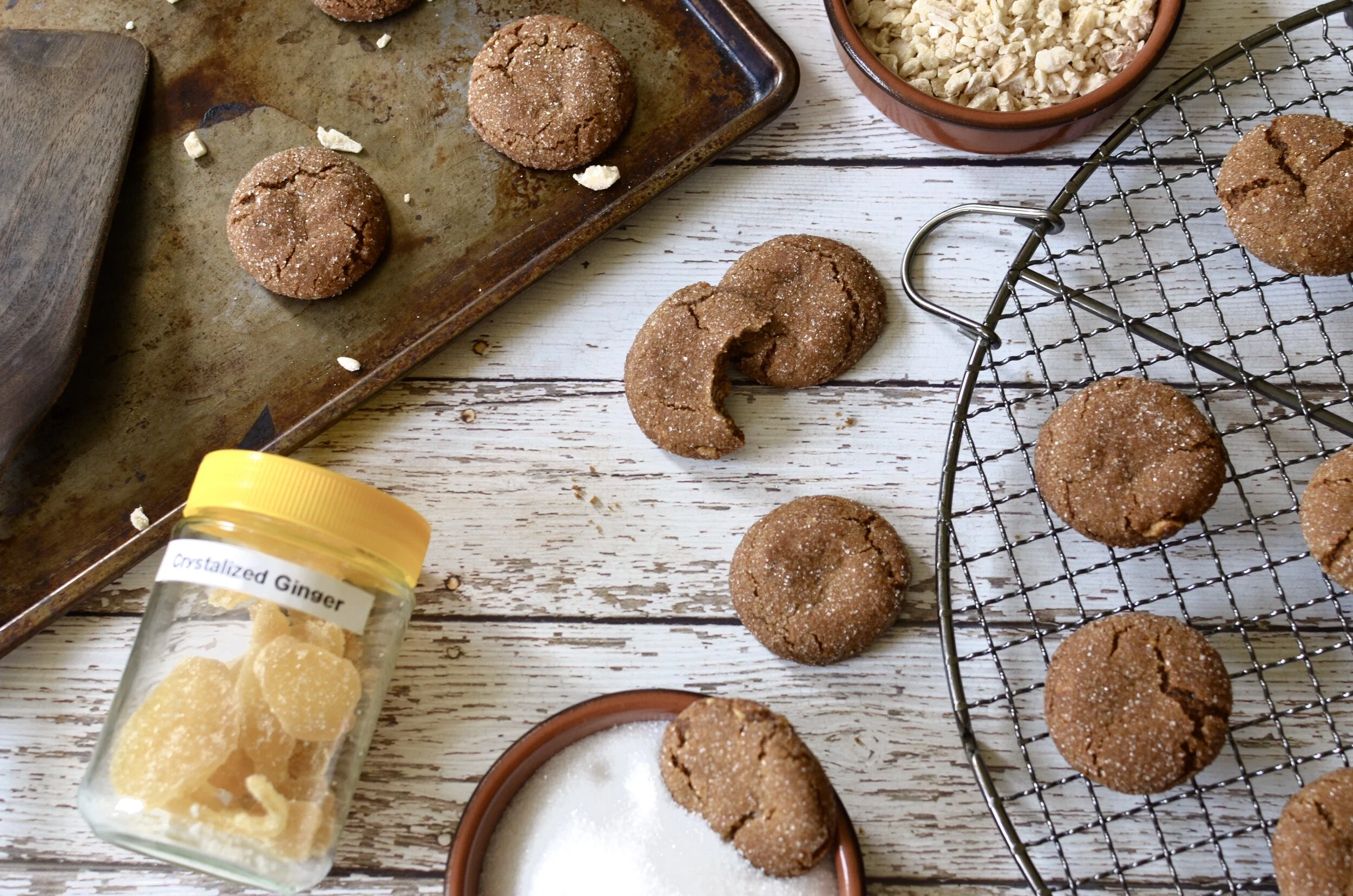








Items used to make this recipe:
(affiliate links)
#50 cookie scoop https://amzn.to/3rJygUk
half sheet pan https://amzn.to/35Z1GFA
silpat liner https://amzn.to/3GM5ois
dried cranberries https://amzn.to/2Wawj3D
spoonula https://amzn.to/3fsxOSc
unsweetened shredded coconut https://amzn.to/3dpQ6Sz
old fashioned oats https://amzn.to/3dydbTd
Lyle’s golden syrup https://amzn.to/2YCYPMP
my favorite digital scale https://amzn.to/3LuBz9J
David’s Cranberry Anzack Cookies
makes 36 cookies (#50 scoop)
Ingredients
1 cup (200g packed dark brown sugar
1 cup (95g) old fashioned oats (not instant or quick-cooking)
1 1/4 cup (175g) all purpose flour (bleached or unbleached)
1 cup (90g) unsweetened shredded coconut or desiccated grated coconut (DO NOT use sweetened coconut)
1/2 cup (60g) dried cranberries (or raisins, currants, dried chopped cherries, dried blueberries)
1/2 teaspoon baking soda
1/4 teaspoon fine salt
1/4 cup lyle’s golden syrup
1/4 cup unsalted butter, melted
3 tablespoons warm water
Directions
Preheat oven to 350F, place rack in center position, and line 3 half sheet pans with silpat liners.
Place the dark brown sugar in a large mixing bowl and break up any clumps by hand.
Add the oats, flour, shredded coconut, dried cranberries, baking soda, and salt; mix well.
In a 1 cup heat-proof measure, combine lyle’s golden syrup, melted butter, and warm water; mix to combine and pour over oat mixture.
Use a silicone spoonula to combine everything together until no dry ingredients remain.
Use a #50 scoop to portion even mounds of batter, 12 per sheet pan; flatten each mound of cookie dough with your fingers until their height is reduced in half (as shown above).
Bake one sheet at a time for 10-12 minutes until the cookies darken around the edges.
Remove cookie sheet from oven and allow cookies to cool on the sheet pan for at least 10 minutes before transferring to a rack to cool completely.
Notes
If the cookie dough is too dry to form, David says you can add a teaspoon of water at a time until it’s wet enough to hold together.
If you can’t find Lyle’s golden syrup, you can use a lightly flavored honey or light corn syrup instead (although I highly recommend finding golden syrup - you will definitely thank me!).
These cookies are sweet so I would NOT use sweetened shredded coconut. Look for UNsweetened coconut in the baking, health food, or international section of the grocery store. Also, try your local international grocery store. Desiccated coconut can be substituted.
If you don’t have 3 sheet pans, reuse the one(s) you do have, but make sure each pan is completely cool before using it again.
adapted from Ready for Dessert by David Lebovitz